The Sought-After Guest: How Consistent Presence and Strategic Generosity Turn a Name Into a Standing Invitation

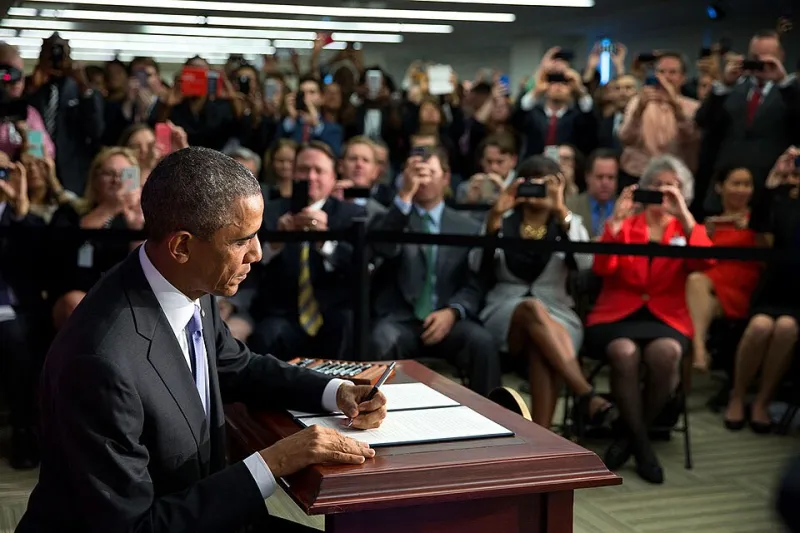
Photo: Shixart1985, CC BY 2.0, via Wikimedia Commons
There is a category of professional who appears on every serious host's guest list without lobbying for the placement. They are not always the wealthiest in the room, nor the most decorated by title or press coverage. What they possess is something rarer and more durable: a reputation built through years of showing up well, listening deeply, and giving more than they take. This article examines how that reputation is constructed — and why it compounds into deal flow that no marketing budget can replicate.
In the American business community, where networking events range from venture capital dinners in Palo Alto to energy sector gatherings in Houston, the currency of reputation operates independently of net worth. The most coveted guests at elite business banquets are coveted precisely because their presence enhances the experience for everyone else in the room. Hosts compete for them. Deal partners seek them out. And they rarely need to introduce themselves, because someone else in the room invariably does it for them.
The Foundation Is Not Performance — It Is Pattern
The first and most important distinction to draw is between reputation built through performance and reputation built through pattern. Performance-based reputation is episodic — it spikes after a notable deal, a successful exit, or a high-profile media appearance, and then decays between events. Pattern-based reputation is cumulative and far more resistant to erosion.
The professionals who become standing fixtures on the most valuable guest lists in their industry are those who have demonstrated, over time and across contexts, a consistent pattern of behavior. They arrive prepared. They engage authentically. They follow through on commitments made at the table. They make introductions without being asked. And they return to the next gathering having done something meaningful with the connections they made at the last one.
This pattern, repeated across dozens of events over several years, creates a reputation that functions as a kind of social infrastructure. Other professionals begin to route valuable introductions through them. Hosts begin to design guest lists around their presence. Deals that might have taken months to initiate find their way to these individuals because the market has learned, through accumulated experience, that engaging them produces results.
Listening as a Competitive Advantage
Among the qualities most consistently attributed to the professionals who occupy this sought-after category, listening ability ranks near the top — and it is consistently underestimated by those who have not yet earned that standing.
At a typical business banquet, the majority of attendees are managing their own conversational agenda: preparing their next point, calculating their next ask, or monitoring the room for a more valuable conversation to move toward. The professional who is genuinely, undistractedly present in the conversation they are currently having stands out with startling clarity. They ask follow-up questions that demonstrate they heard what was said three exchanges ago. They connect a concern raised by their dinner companion to a resource or introduction that could address it. They remember details.
This quality of attention is not merely pleasant. It is strategically generative. People disclose more to those who listen well. They trust more readily. They advocate more enthusiastically. The professional who listens with genuine attention at tonight's dinner is the professional being recommended to tomorrow's host.
Strategic Generosity Without Scorekeeping
The phrase "strategic generosity" requires careful unpacking, because it can sound calculated in a way that undermines its own premise. The generosity being described here is not transactional — it is not a ledger of favors extended with an expectation of equivalent return. It is, rather, a disposition toward the room that prioritizes contribution over extraction.
In practice, this looks like making an introduction between two guests who would benefit from knowing each other, without any immediate personal upside. It looks like sharing a relevant piece of market intelligence during the appetizer course because it is genuinely useful to the person across the table, not because sharing it positions you advantageously. It looks like being the person who helps a first-time attendee navigate the room, even when that attendee is not currently a valuable contact.
The reason this kind of generosity compounds into deal flow over time is not mysterious. It is simply that the business community, in every sector and geography, is smaller and more interconnected than it appears. The first-time attendee you helped navigate the room three years ago is now a managing director. The introduction you made without expectation of return generated a partnership that the two parties involved will always associate with your name. The market intelligence you shared freely established you as a trusted source.
This is how reputation becomes deal flow. Not through a single grand gesture, but through a hundred small ones, each of which deposits a small amount of goodwill into accounts you may not even know exist.
Reliability as the Rarest Currency
If listening is underestimated, reliability is actively rare. The professional who says they will send a connection and sends it that evening. The one who commits to attending an event and attends it. The one who promises to review a deck and provides substantive feedback within the agreed timeframe. These behaviors are so uncommon in the professional world that their consistent practice creates a reputation that precedes the individual into every room they enter.
Hosts build guest lists around reliable people because reliable people make hosting easier. They show up when confirmed. They engage with the guests around them rather than retreating to their phones. They contribute to the energy of the room rather than drawing from it. In the economics of social capital, reliability is among the highest-yielding investments available.
Becoming the Person the Room Talks About After It Empties
The ultimate measure of a sought-after reputation at a business banquet is what is said about you after the room clears. Not during the event — anyone can perform for an audience — but in the conversations that happen the following morning, when hosts debrief with co-organizers and guests text each other about who they want to see again.
The professionals who are consistently named in those post-event conversations share the qualities outlined above. They are not the ones who dominated the room. They are the ones who elevated it. They are the ones who made the host look wise for having invited them, made the guests around them feel heard, and made the event feel like it delivered on its promise.
At Business Builders Banquet, where leaders meet and deals are made, the most powerful seat at the table belongs to the professional who has earned it through years of showing up — not to be seen, but to contribute. That distinction, sustained over time, is what transforms a name on a guest list into a standing invitation.