Before the Doors Swing Open: The Strategic Playbook for Arriving Early and Owning the Room
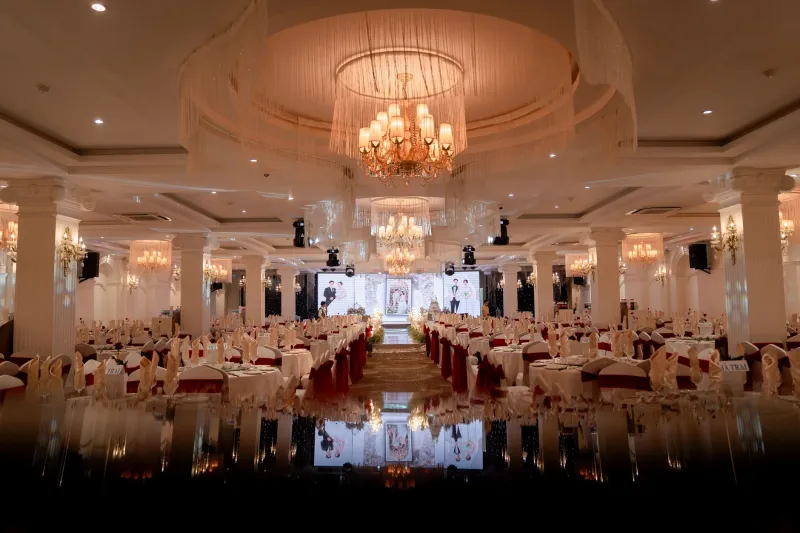
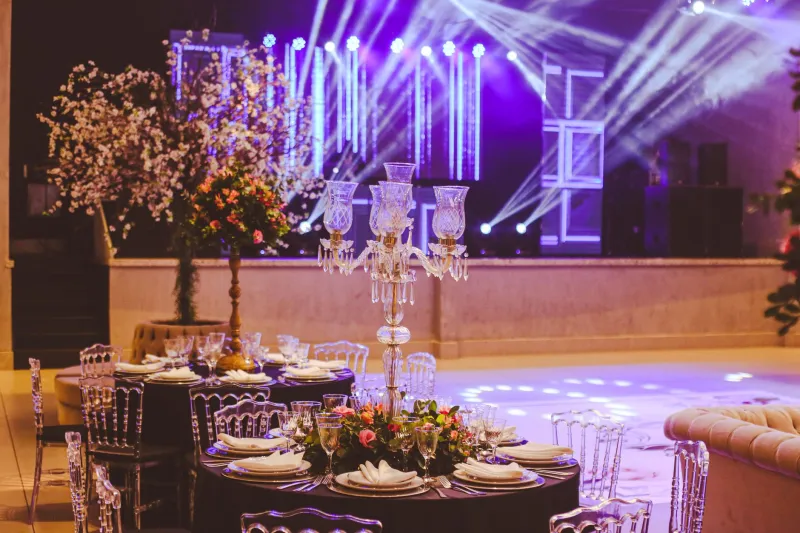
There is a peculiar irony embedded in the culture of high-stakes business events: the moments of greatest opportunity are almost universally wasted by the people who need them most. Attendees arrive on schedule, collect their name badges, and wait for the evening to come to them. Meanwhile, a smaller cohort — seasoned dealmakers, disciplined investors, and founders who have learned from hard experience — walk through the venue doors sixty minutes before the official start time and quietly begin building the evening they want.
Early arrival at a business banquet is not merely a logistical preference. Executed with intention, it is a calculated competitive strategy.
Why the Pre-Event Window Is the Room's Best-Kept Secret
Once a banquet officially opens, the social dynamics become compressed and chaotic. Hundreds of professionals compete for the same fifteen-second windows of attention. Noise levels rise. Agendas collide. The host is pulled in a dozen directions. Serendipity, which so many networkers passively rely upon, becomes the dominant force — and serendipity rarely closes deals.
The sixty minutes before doors open operate under an entirely different set of conditions. The venue is calm. Staff are present and accessible. The physical environment is still being shaped. Crucially, the handful of other early arrivals are, almost by definition, the most deliberate people in the room. They showed up early for a reason — and that shared intentionality creates an immediate, unspoken bond that accelerates rapport far faster than a crowded cocktail reception ever could.
In short, the pre-event window offers low competition, high access, and an atmosphere that is genuinely conducive to substantive conversation.
The First Move: Build a Relationship With the Room Itself
Before a single introduction is made, a strategic early arrival begins with reconnaissance. Walk the entire space. Note where the registration table is positioned relative to the main entrance. Identify the natural chokepoints — the bar, the coat check, the corridor connecting the lobby to the main hall — where foot traffic will concentrate once the crowd arrives. Locate the seating chart, if one is displayed, and commit key table assignments to memory.
This spatial awareness is not trivial. Knowing that a target contact is seated at Table 7, near the east wall, gives you a navigational advantage the moment the room fills. You are no longer searching; you are moving with purpose.
Also observe where the event's organizers and senior staff have set up their operational posts. These individuals hold information that most attendees never think to request: who confirmed attendance that afternoon, which speakers arrived early, whether any notable last-minute additions were made to the guest list. A brief, respectful conversation with an event coordinator can yield intelligence that no pre-event research brief could provide.
Identifying and Approaching Fellow Early Arrivals
The people who arrive before the official start time represent a self-selecting group of high-value contacts. They are organized, intentional, and operating with a plan — qualities that align precisely with the profile of a serious business partner, investor, or client.
Approaching a fellow early arrival requires a different conversational posture than the standard banquet introduction. The shared context of being early together creates an organic opening. A simple acknowledgment — "Looks like we both had the same idea" — is disarming precisely because it is honest. It signals awareness without pretension, and it immediately establishes common ground.
From that opening, the conversation can move quickly. Without the noise and interruption of a full room, substantive exchanges are not only possible — they are natural. Ask open-ended questions about what brought them to the event, what outcomes they are hoping for, and what sectors or opportunities currently hold their attention. Listen carefully. The absence of social pressure in a quiet, pre-event room often encourages a candor that a crowded cocktail hour suppresses entirely.
Claiming Informal Territory Near High-Traffic Entry Points
Positioning matters as much as timing. Once you have completed your spatial reconnaissance and made initial contact with any fellow early arrivals, identify a standing position near the venue's primary entry point. This does not mean hovering awkwardly at the door — it means finding a natural, comfortable spot within sight lines of the entrance, ideally near a secondary point of interest such as a welcome drink station or a display of event materials.
As guests begin arriving, you are now in an enviable position. You can observe who enters, identify targets from your pre-event research, and initiate contact before they are absorbed into the crowd. You are not chasing introductions — you are receiving them on your own terms, in a location you chose, at a moment when the arriving guest is still oriented and open rather than already mid-conversation with someone else.
This is not a passive strategy. It requires active attention and a readiness to move deliberately. But for those willing to commit to it, the entry-point positioning tactic alone can account for three or four high-quality introductions before the event formally begins.
Engaging the Event Staff as Strategic Allies
One of the most consistently overlooked advantages of early arrival is access to the people who run the event. Catering managers, AV technicians, and event coordinators are frequently invisible to attendees who arrive on time — they have already retreated to their operational roles by the time the crowd appears. For the early arrival, these professionals are fully present and, in many cases, genuinely pleased to be acknowledged by a guest who treats them as more than background infrastructure.
A brief, genuine conversation with an event coordinator can accomplish several things simultaneously. It humanizes you in the eyes of the organizing team, which may result in small but meaningful courtesies throughout the evening. It can surface useful information about the evening's program, any adjustments to the schedule, or the presence of high-profile guests who may not have been widely publicized. And it signals to anyone observing the exchange that you are someone comfortable operating across different levels of an organization — a quality that sophisticated investors and partners consistently value.
Protecting the Advantage Once the Room Fills
The pre-event playbook does not end when the doors open. The relationships established during the early-arrival window carry additional weight throughout the evening precisely because they were formed in a quieter context. A contact you met before the crowd arrived will recognize you differently than someone you approached during a busy cocktail reception — there is history, however brief, and that history creates continuity.
Use that continuity deliberately. When the room fills and your early-arrival contacts are now engaged with others, a brief re-engagement — a nod, a returned smile, a short follow-up to a thread from your earlier conversation — reinforces the relationship without demanding attention. You are not starting from zero at the dinner table; you are building on a foundation that most of the room never had the opportunity to lay.
The Competitive Edge That Costs Nothing but Discipline
In a landscape where business banquets and networking events are increasingly crowded and competitive, the pre-event hour represents one of the few remaining asymmetric advantages available to any professional willing to exercise basic discipline. It requires no special access, no additional investment, and no privileged information. It requires only the decision to arrive early — and the preparation to use that time with intention.
At Business Builders Banquet, the principle that separates elite dealmakers from well-intentioned attendees is consistently the same: the best in the room treat every minute of an event as an opportunity, including the minutes before the event officially exists. The doors have not yet opened. The evening has already begun.