Second Table, First Commitment: How Elite Dealmakers Convert Warm Introductions Into Signed Agreements Over a Follow-Up Meal

There is a persistent myth in American business culture that the handshake at a networking event is the prize. Entrepreneurs leave grand ballrooms clutching business cards, replaying favorable conversations in their minds, convinced that momentum is already working in their favor. Experienced dealmakers know otherwise. The first dinner is an audition. The second dinner is the performance that actually counts.
At Business Builders Banquet, we have observed this pattern repeatedly: the entrepreneurs who close deals are rarely the ones who delivered the sharpest pitch over cocktails. They are the ones who understood that a large-format networking event is a prospecting environment — valuable, but inherently noisy. The real transaction begins the moment they leave the room and start planning their next move.
Why the First Gathering Is Never Enough
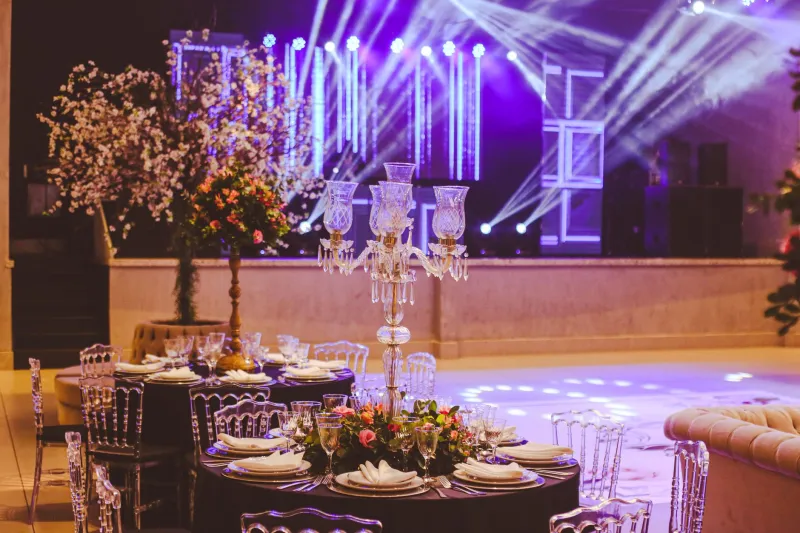
Large business banquets serve a critical function. They compress an otherwise sprawling professional landscape into a single evening, placing founders, investors, and corporate decision-makers within arm's reach of one another. That compression creates opportunity. It does not, by itself, create deals.
The structural reality of any major networking event is that attention is fractured. Conversations are interrupted. Introductions are made three layers deep, filtered through noise and social obligation. No investor is going to commit capital over a shared appetizer while a keynote speaker is warming up fifteen feet away. No corporate buyer is going to authorize a partnership agreement between the salad course and the entrée.
What a first banquet does accomplish — when navigated skillfully — is establish credibility, generate curiosity, and create a legitimate basis for a follow-up. That follow-up, properly orchestrated, is where the architecture of a real deal gets built.
The Strategic Window: Timing the Second Invitation
Timing is the first variable that separates disciplined dealmakers from those who simply hope momentum carries forward on its own. The optimal window for extending a follow-up dinner invitation sits between 48 and 96 hours after the initial event. Within that range, the original conversation remains vivid, goodwill is still warm, and the invitation reads as purposeful rather than impulsive.
Waiting longer than a week introduces friction. The other party has returned to their routine, re-engaged with competing priorities, and the emotional resonance of the initial connection begins to fade. Reaching out too quickly — within 24 hours — can register as anxious rather than confident.
The invitation itself should be specific and purposeful. Reference a concrete thread from your first conversation. Name a shared interest or a problem you discussed. Frame the follow-up meal not as a generic continuation, but as a focused opportunity to explore something specific. Vagueness signals that you have not thought carefully about the other person's time.
Choosing the Right Venue: Environment as Strategy
The venue for a follow-up dinner is not a logistical detail. It is a strategic decision that communicates volumes before a single word is spoken at the table.
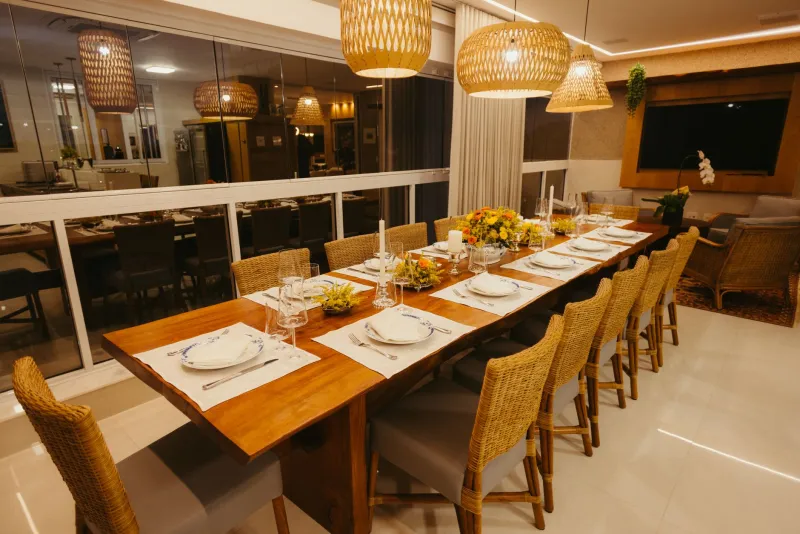
For high-stakes conversations, the ideal setting offers three things: controlled acoustics that allow for genuine dialogue, a degree of privacy that makes candid discussion comfortable, and an atmosphere that signals seriousness without feeling transactional. A private dining room at a respected restaurant accomplishes all three. Loud, fashionable spots may work for casual relationship-building, but they undermine the focused energy that closing conversations require.
Geography matters as well. In most US markets — whether you are operating in New York, Chicago, Dallas, or Los Angeles — there are established venues that carry their own professional weight. Choosing a restaurant with a reputation for hosting serious business conversations sends a subtle but real signal about your intentions and your standards.
Avoid novelty for its own sake. The follow-up dinner is not the occasion to impress with an unusual culinary experience. It is the occasion to create conditions where the other party feels at ease making a consequential decision.
Controlling the Guest Count
One of the most consequential choices you will make about a follow-up dinner is who else — if anyone — sits at the table.
The default instinct is to keep the gathering intimate: you, your counterpart, and perhaps one trusted colleague who adds specific value to the conversation. Intimacy reduces distraction, increases accountability, and creates the psychological conditions for honest exchange. When both parties feel genuinely seen in a conversation, trust accelerates.
There are, however, situations where a strategically expanded guest list serves the deal. If the agreement requires sign-off from multiple stakeholders, bringing those stakeholders into the room during the follow-up dinner can compress a negotiation timeline dramatically. The key is intentionality. Every seat at the table should have a defined role in advancing the outcome you are working toward. Guests who are present for social reasons alone dilute the focus that makes a closing dinner effective.
Sequencing the Conversation
A follow-up dinner has a natural architecture, and experienced dealmakers respect that structure rather than fighting it.
The opening portion of the meal — typically spanning the first drink and any shared appetizers — should be deliberately social. Reconnect on personal terms. Acknowledge something specific about your counterpart that demonstrates you were genuinely listening at the first event. This is not small talk for its own sake; it is the relational foundation that makes the business portion of the evening feel collaborative rather than transactional.
As the meal progresses into the main course, shift the conversation toward the substance of what you are building together. This is the moment to present updated thinking, address questions that may have surfaced since the first meeting, and invite the other party to articulate their own vision for what a partnership or investment might accomplish. Listen more than you speak during this phase. The goal is to understand what approval actually requires — not to deliver another pitch.
By the time dessert or coffee arrives, a well-sequenced follow-up dinner should have produced enough clarity to move toward a specific next step. That next step does not need to be a signed agreement on the spot. It needs to be concrete, time-bound, and mutually acknowledged. A verbal commitment to a term sheet review by a specific date is a closing. An open-ended expression of continued interest is not.
The Follow-Up to the Follow-Up
Within 24 hours of the second dinner, send a written summary of what was discussed and what was agreed upon. This is not a legal document — it is a professional courtesy that demonstrates clarity of mind and respect for the other party's time. It also creates a paper trail that subtly reinforces commitment on both sides.
The best dealmakers treat every meal as part of a sequence, not as an isolated event. The follow-up dinner is powerful precisely because it transforms the energy of a large networking event into something focused, personal, and actionable. It is the moment when the Business Builders Banquet experience moves from the ballroom to the boardroom — and where the real work of building something lasting actually begins.