Beyond the Usual Suspects: 10 American Cities Rewriting the Rules of Business Networking
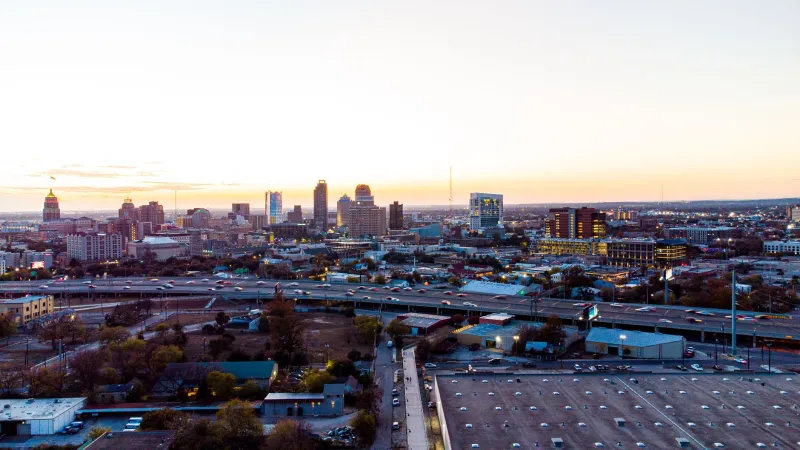
The Decentralization of American Business Culture
For decades, the geography of American business networking was largely settled. If you wanted to meet venture capitalists, you flew to San Francisco. If you needed to close a deal in financial services, you went to New York. If you were navigating the manufacturing or logistics sectors, Chicago was your destination. These cities earned their reputations, and they have not surrendered them.
But something significant has shifted. Remote work, capital migration, and a growing entrepreneurial appetite outside the coastal corridors have conspired to redistribute business energy across the American map. The result is a new class of cities — nimble, hungry, and increasingly well-connected — that are generating networking ecosystems of genuine consequence. For the business leader willing to look beyond the conventional circuit, these markets represent an extraordinary opportunity to build relationships before the competition arrives.
Here are ten American cities that deserve a place on every serious networker's calendar.
1. Austin, Texas — The Networker's Open Secret
Austin has been on the radar long enough that calling it "emerging" feels generous, yet its networking density continues to accelerate in ways that surprise even seasoned observers. The relocation of major corporate headquarters — Tesla, Oracle, and others — has created a rare convergence of tech founders, enterprise executives, and growth-stage investors all operating within a relatively compact geography. Events like the Austin Startup Week and recurring angel investor roundtables hosted through the Capital Factory ecosystem make this city a year-round destination for relationship-building, not merely a conference stop.
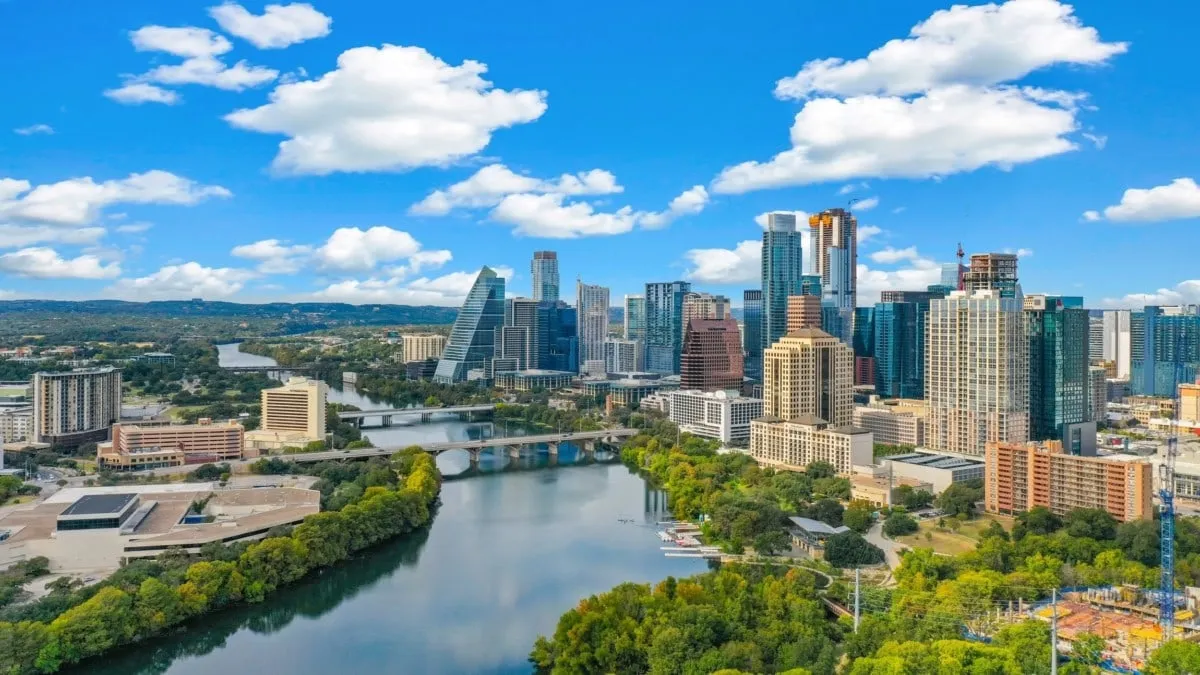 Photo: Austin, Texas, via trip-adventures.com
Local industries driving the trend: Technology, clean energy, defense technology, and commercial real estate.
2. Nashville, Tennessee — Where Healthcare Meets Hospitality
Nashville's identity as a music city has long obscured a more commercially significant reality: it is the per-capita headquarters of more healthcare companies than any other American city. That concentration of healthcare executives, hospital systems, and health-tech investors has created a networking culture that is both highly specialized and surprisingly accessible. The Nashville Health Care Council's annual leadership summit draws C-suite executives from across the country, and the city's renowned hospitality culture means that informal relationship-building — over dinner, over bourbon — happens with unusual ease.
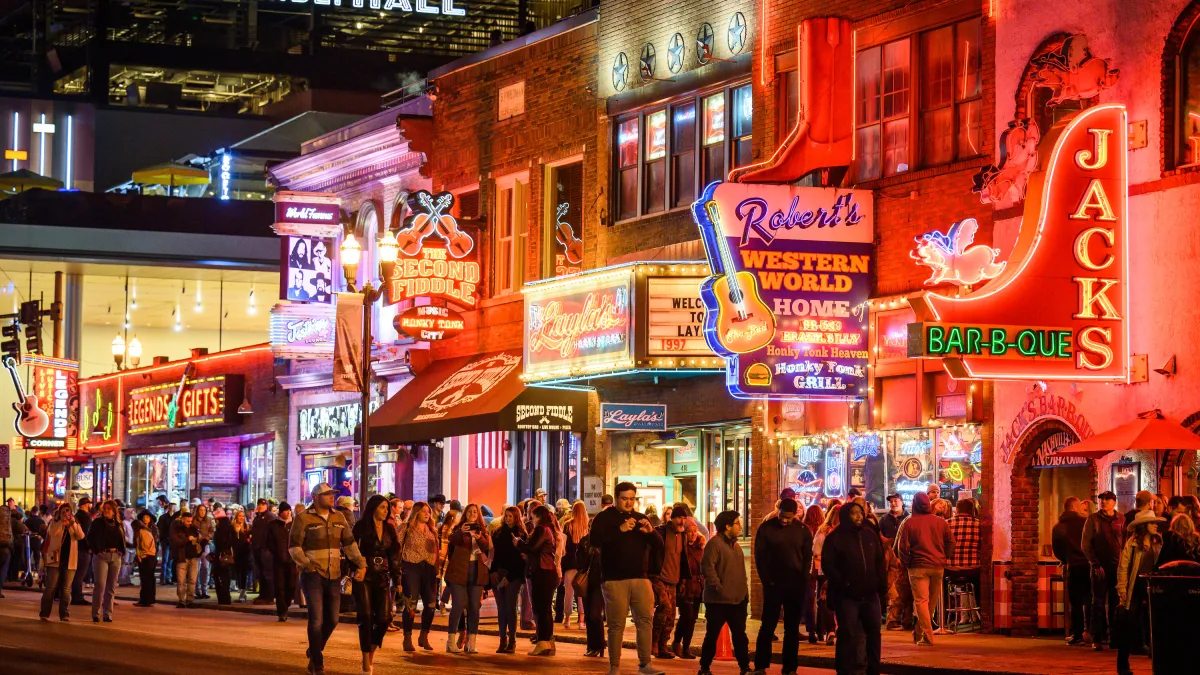 Photo: Nashville, Tennessee, via static01.nyt.com
Local industries driving the trend: Healthcare, hospitality, financial services, and logistics.
3. Miami, Florida — The Gateway to Global Capital
Miami's transformation into a serious business networking hub has been one of the more dramatic geographic shifts in American commerce over the past five years. The influx of family offices, crypto-native funds, and Latin American investment capital has created a financial ecosystem unlike anything else in the United States. Events like eMerge Americas and the Miami Tech Week have become genuine gathering points for internationally minded founders and investors. For entrepreneurs seeking cross-border partnerships or alternative capital sources, Miami now offers access that previously required a transatlantic flight.
Local industries driving the trend: Fintech, international trade, real estate, and media.
4. Denver, Colorado — The Rocky Mountain Nexus
Denver occupies a unique position in the American business landscape: it is a major metropolitan economy with a culture that still rewards directness and authenticity over performance. The city's aerospace, energy transition, and outdoor recreation industries have attracted a cohort of operators and investors who are building serious businesses while maintaining a notably collaborative ethos. The Denver Startup Week — consistently one of the largest free entrepreneurship events in the country — reflects a networking culture that is inclusive without being superficial.
Local industries driving the trend: Aerospace, energy transition, outdoor industry, and agri-tech.
5. Raleigh-Durham, North Carolina — The Research Triangle's Quiet Ascent
The Research Triangle region has been an intellectual powerhouse for decades, but its translation of university research into commercial networking opportunity is accelerating. The proximity of Duke, UNC-Chapel Hill, and NC State creates a continuous pipeline of deep-tech founders and life sciences entrepreneurs, while the region's relatively affordable operating costs have attracted a growing number of venture funds establishing East Coast outposts. The Council for Entrepreneurial Development hosts one of the region's most respected investor-founder convenings, and the biotech and pharmaceutical sectors regularly draw executives from across the Eastern Seaboard.
Local industries driving the trend: Life sciences, semiconductors, clean technology, and software.
6. Salt Lake City, Utah — The Beehive State's Business Momentum
Utah's economy has been growing at a pace that consistently outstrips national averages, and Salt Lake City has become the organizational center of that momentum. The so-called "Silicon Slopes" corridor — stretching from Salt Lake City through Provo — has produced a density of software companies and enterprise tech founders that rivals many larger metros. The Silicon Slopes Tech Summit draws thousands of attendees annually and has earned a reputation for substantive content and genuine networking rather than performative conference culture. The state's unusually high rate of returned missionaries with international language skills also creates a distinctive advantage for companies pursuing global expansion.
Local industries driving the trend: Enterprise software, cybersecurity, financial technology, and manufacturing.
7. Columbus, Ohio — The Midwest's Most Underrated Market
Columbus consistently defies the expectations of coastal executives who have not visited recently. As the home of The Ohio State University and a growing cluster of retail-tech, insurance-tech, and logistics companies, the city has developed a sophisticated investor and operator community that operates largely beneath the national radar. Nationwide's corporate campus and the presence of multiple Fortune 500 headquarters create a corporate leadership networking environment that smaller cities cannot replicate. The Columbus Partnership and Rev1 Ventures host recurring events that bring together civic, corporate, and entrepreneurial leadership in ways that feel genuinely integrated rather than siloed.
Local industries driving the trend: Retail technology, insurance, logistics, and financial services.
8. Atlanta, Georgia — The Southeast's Commercial Capital
Atlanta has long been the business capital of the American Southeast, but its networking scene is evolving in ways that make it newly compelling for national audiences. The city's emergence as a fintech hub — anchored by companies like Kabbage, InComm, and a constellation of payment processing firms — has attracted investor attention that is beginning to match the city's long-standing corporate infrastructure. The Atlanta Tech Village and events hosted through the Atlanta Ventures ecosystem have created gathering points for founders and funders that are increasingly competitive with those found in larger markets.
Local industries driving the trend: Financial technology, media and entertainment, logistics, and real estate.
9. Phoenix, Arizona — Sun Belt Growth at Scale
Phoenix's population growth is well-documented, but the business networking implications of that expansion are less frequently discussed. The influx of corporate relocations — including major semiconductor manufacturers drawn by the CHIPS Act investment environment — has created an executive community that is building its local networking infrastructure in real time. For the business leader who arrives early, that means the opportunity to occupy a prominent position in a network that will be significantly more valuable in five years than it is today. The Arizona Commerce Authority and Invest Southwest host events that connect this emerging executive class with capital sources both local and national.
Local industries driving the trend: Semiconductors, construction technology, healthcare, and financial services.
10. Kansas City, Missouri — The Heartland's Hidden Connector
Kansas City may be the most genuinely surprising entry on this list, which is precisely what makes it valuable. The city's geographic centrality — it sits within a day's drive of a remarkable proportion of the American population — combined with its emergence as an agricultural technology and supply chain innovation hub has created a networking environment that bridges industries in unusual ways. The Kauffman Foundation, one of the most respected entrepreneurship-focused organizations in the country, is headquartered here and hosts convenings that draw serious founders and investors who might otherwise never intersect. For executives whose businesses touch food, agriculture, or logistics, Kansas City offers relationship access that no coastal city can replicate.
Local industries driving the trend: Agricultural technology, supply chain, animal health, and financial services.
The Strategic Case for Expanding Your Networking Geography
The business leaders who will define the next decade of American commerce are not all concentrated in the same three zip codes they have always been. They are building companies in Columbus and closing funding rounds in Nashville and forging partnerships over dinner in Kansas City. The question is not whether these markets matter. The question is whether you will be present in them before your competitors recognize their value.
At Business Builders Banquet, we believe that the most consequential relationships in business are formed where serious people gather with purpose — and that geography, chosen wisely, is itself a competitive advantage. The cities on this list are not merely interesting places to visit. They are the emerging venues of American commercial leadership, and the table is still being set.