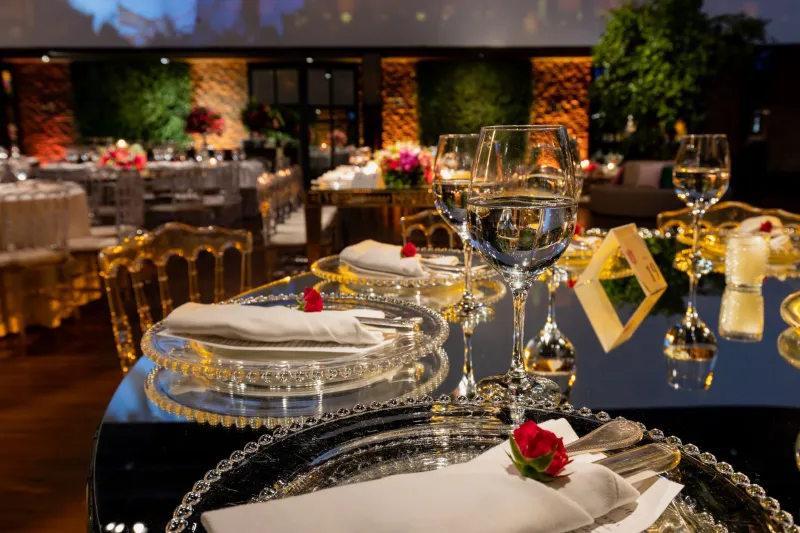
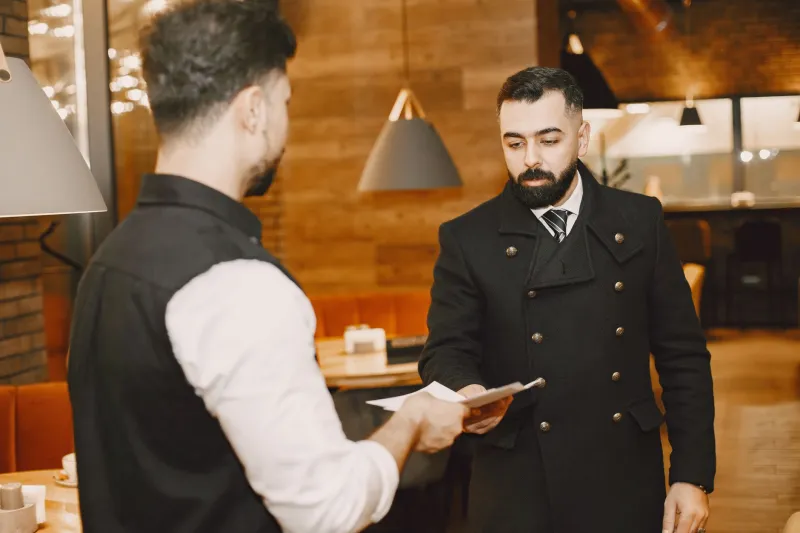
Your Guest Seat Is a Strategic Asset: The Calculated Art of Choosing the Right Plus-One for a Business Banquet

There is a moment at nearly every formal business banquet when the room settles, introductions are made around the table, and the real work of the evening quietly begins. Deals are not closed in conference rooms alone. They are built across linen tablecloths, over shared appetizers, and through the kind of unhurried conversation that a structured meeting simply cannot replicate. Most professionals who attend these events invest significant effort in their own preparation — their talking points, their attire, their seating preferences. Yet one of the most consequential decisions of the entire evening is often treated as an afterthought: who they bring with them.
The plus-one seat is not a courtesy. It is leverage. And the leaders who understand this distinction consistently outperform those who do not.
Why the Second Seat Matters More Than You Think
Consider the mathematics of a business banquet. A table of ten offers, at most, meaningful conversation with four or five individuals across the course of an evening. Your companion, however, occupies a different orbit within that same room. They interact with different guests, absorb different conversations, and return to your side with intelligence, introductions, and impressions you would never have gathered independently.
In this sense, bringing the right person effectively doubles your presence without requiring you to be in two places at once. At Business Builders Banquet events, where rooms are deliberately curated with investors, founders, and corporate decision-makers, this dynamic is not incidental — it is architectural. The guest you choose either compounds your value in that room or dilutes it.
The Four Archetypes of a Strategic Plus-One
Not every companion serves the same purpose, and the most effective approach begins with clarity about what you need from a given event. There are four primary archetypes worth considering.
The Subject-Matter Expert. If you are a founder preparing to engage investors in a technical space — deep tech, biotech, advanced manufacturing — arriving with a recognized expert in that domain signals seriousness before you have spoken a single word. When an investor's skepticism surfaces, your companion can address it with authority that you, as an entrepreneur, may not credibly possess alone. This is particularly effective at events where investor due diligence happens informally, across dinner courses rather than in formal pitch sessions.
The Connector. Some professionals are not deal-makers themselves but are extraordinarily well-networked. A connector whose Rolodex spans industries, geographies, or funding circles can introduce you to three people you did not know before the entrée arrives. If your primary goal at an event is expanding your network rather than closing a specific deal, a well-connected companion may be your single greatest asset of the evening.
The Social Anchor. High-stakes banquets can carry an undercurrent of tension, particularly when significant capital or competitive dynamics are in the room. A companion who is socially fluent — capable of easing awkward silences, pivoting conversations gracefully, and making everyone at the table feel at ease — creates the kind of atmosphere in which business relationships naturally deepen. Do not underestimate the deal-making power of a room that simply feels comfortable.
The Credibility Witness. In certain industries and deal structures, having someone present who can vouch for your track record carries enormous weight. A former client, a co-founder who has exited a previous venture successfully, or a respected mentor in your field can authenticate your narrative in ways that your own words cannot. Investors and corporate partners in particular respond to third-party validation delivered not in a pitch deck, but in person, over dinner.
Alignment Before the Evening Begins
Choosing the right companion is only half of the equation. The other half is preparation. A strategically chosen plus-one who arrives uninformed about your goals for the evening is an opportunity wasted. Before any high-stakes banquet, a direct and honest conversation with your guest is essential.
Share the guest list in advance, if available. Identify the two or three individuals whose attention matters most to your objectives. Discuss the deals or conversations you are hoping to advance, and be specific about how your companion can support those efforts — whether that means steering a conversation in a particular direction, making a timely introduction, or simply knowing when to step back and let a dialogue develop organically.
This pre-event alignment transforms a social companion into a genuine strategic partner. It also demonstrates respect for their time and expertise, which strengthens the professional relationship itself.
What to Avoid: The Costly Miscalculations
Just as the right plus-one can multiply your deal flow, the wrong one can undermine it. A few patterns consistently produce poor outcomes.
Bringing someone who dominates conversation at the expense of your own positioning is a common and costly error. Equally damaging is arriving with a companion who is visibly unfamiliar with the room's professional culture — whether through dress, conversational tone, or a lack of awareness about the implicit norms that govern high-level business dinners. These signals are absorbed quickly by experienced investors and executives, and they reflect directly on the judgment of the person who extended the invitation.
Perhaps most importantly, avoid treating the guest seat as a social reward rather than a business decision. Bringing a friend because the evening sounds enjoyable, rather than because they add strategic value, is a missed opportunity that cannot be recovered once the evening ends.
Thinking Beyond the Event Itself
The value of a well-chosen plus-one does not expire when the banquet concludes. In the days that follow, a strategic companion can facilitate warm introductions, provide candid observations about how key conversations landed, and even serve as a reference point in follow-up communications. "My colleague who joined me at the dinner mentioned that you are expanding into the Southeast" is a far more compelling opening to a follow-up email than a generic reference to the event itself.
At the level of business where formal banquets operate, every asset is expected to work. The guest seat beside you is no different.
A Final Word on Reciprocity
The most enduring professional relationships are built on mutual value. When you invite someone to accompany you to a high-caliber business banquet, you are extending both an opportunity and an obligation. The best strategic plus-ones are not extracted for their utility and discarded — they are partners in a longer professional arc. The entrepreneurs and executives who build the most powerful networks understand that the guest they bring tonight may be the host who invites them somewhere far more significant tomorrow.
At Business Builders Banquet, where leaders convene precisely because proximity to the right people accelerates outcomes, the seat beside you deserves the same deliberate attention you give to every other element of your professional strategy. Fill it wisely.