The Prepared Room: How Elite Networkers Turn Serendipity Into a Repeatable Science

Photo: professional preparing research on laptop before business networking event, via c8.alamy.com
When two people at a business banquet discover they share a mutual connection, attended the same university, or operate in adjacent markets, the moment feels like fate. The conversation accelerates. The rapport deepens. A relationship that might have taken months to cultivate through cold outreach compresses into a single evening.
What most attendees do not realize is that the person sitting across from them may have known about that shared connection since Tuesday afternoon.
At the highest levels of business networking, serendipity is not left to chance. It is manufactured through deliberate research, systematic preparation, and the kind of strategic patience that allows a sophisticated networker to wait for exactly the right conversational opening—then step into it as though they had never seen it coming.
Intelligence Gathering as Pre-Event Protocol
For elite investors, venture capitalists, and senior corporate executives who attend business banquets with regularity, pre-event research is not optional. It is foundational. The preparation begins the moment a guest list or attendee roster becomes available—sometimes days before the event, sometimes only hours—and it proceeds with the methodical thoroughness of a competitive intelligence briefing.
LinkedIn profiles are the obvious starting point, but experienced researchers move quickly beyond the surface layer. They examine career trajectories for patterns that reveal decision-making styles. They note board memberships and advisory roles that indicate existing relationships and potential conflicts of interest. They study publication histories, podcast appearances, and conference speaking records to understand how a target thinks and communicates publicly.
Mutual connection mapping follows. By identifying shared contacts across professional networks, a prepared attendee can arrive at a banquet already knowing the relational bridges that exist between them and their priority targets. This knowledge is not deployed immediately—it is held in reserve, ready to surface at the moment when the conversation calls for it.
The Architecture of an 'Accidental' Encounter
The execution of a prepared encounter requires both timing and restraint. Deploying research too early in a conversation signals calculation rather than connection. The art lies in allowing the conversation to develop naturally until the moment when a prepared detail can be introduced as though it arose organically.
Consider the mechanics: An investor arrives at a banquet having researched a founder whose company operates in a sector the investor has been quietly monitoring. The investor knows the founder's previous employer, the city where they built their early customer base, and the name of a mutual contact at a Chicago-based accelerator. Rather than approaching the founder with a declaration of prior knowledge, the investor initiates a broad conversation about market conditions in the relevant sector. When the founder mentions their background, the investor responds with a question that naturally surfaces the mutual connection—"Did you cross paths with [name] during that period?"—transforming a cold introduction into a warm conversation within minutes.
This is not manipulation. It is preparation applied with social intelligence. The relationship that follows is genuine. The acceleration of trust, however, was engineered.
Competitive Landscape Analysis as Conversation Architecture
Beyond personal background research, the most sophisticated banquet attendees conduct competitive landscape analysis before major events. Understanding where each attendee's business sits within the broader market—who their customers are, which companies they compete with, where their growth pressures originate—allows a prepared networker to identify not just who is worth meeting, but precisely what conversation will be most valuable to that person.
This transforms the networking dynamic fundamentally. Rather than arriving at a banquet with a set of talking points about their own interests, the prepared attendee arrives knowing what problems their priority targets are likely trying to solve. They can position themselves as a resource, a connector, or a source of relevant insight before the target has articulated a single need.
At Business Builders Banquet events, this dynamic is observable in the quality of the conversations that emerge from the most strategically prepared attendees. They ask better questions. They listen with greater focus. They introduce connections with a specificity that makes the introduction immediately useful rather than generically polite.
The Role of Venue Familiarity
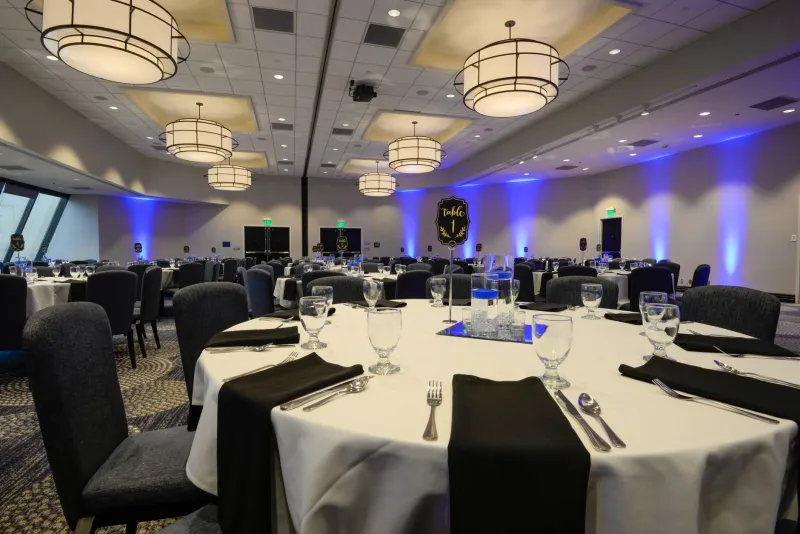
Preparation extends beyond people to place. Elite networkers who attend events at unfamiliar venues will often arrive early enough to understand the physical architecture of the space—where the bar is positioned relative to the entrance, how the seating arrangement flows, where the natural conversation clusters tend to form during cocktail hour. This spatial awareness allows them to position themselves strategically before their priority targets arrive, ensuring that the first encounter unfolds in a setting that favors an extended conversation rather than a passing exchange.
Familiarity with the venue also reduces the cognitive load of navigation during the event itself. When an experienced networker does not need to think about where they are going, they can dedicate their full attention to the conversations they are having—a competitive advantage that is easy to underestimate.
What This Means for Event Hosts
For the organizers of business banquets and networking events, the prevalence of this preparation discipline carries important implications. Attendees who invest in pre-event research are demonstrating a level of engagement that deserves to be supported and rewarded.
Guest lists that are released in advance—even in partial form—enable this preparation and raise the quality of conversations across the entire event. Curated introductions from hosts who understand the relational landscape of their guest list can serve as catalysts, connecting people whose research has already primed them for a productive conversation but who might not navigate to each other organically within the flow of a busy evening.
The best business banquets are not simply gatherings of accomplished people. They are environments where preparation meets opportunity—where the work done before the doors open determines the value created after they close.
Preparation as Competitive Advantage
The founders, investors, and executives who consistently leave business banquets with the most valuable relationships are not necessarily the most charismatic people in the room. They are, almost without exception, the most prepared.
They have done the work before the evening begins. They know who matters, why they matter, and what conversation will create the most immediate relevance. When the moment arrives, they do not reach for it—they simply allow it to unfold, because they built it in advance.
Serendipity, at this level, is a skill. And like every skill worth having, it rewards those who practice it most deliberately.