One Seat Reserved: The Quiet Tactic Elite Hosts Use to Draw In Their Most Coveted Business Partners
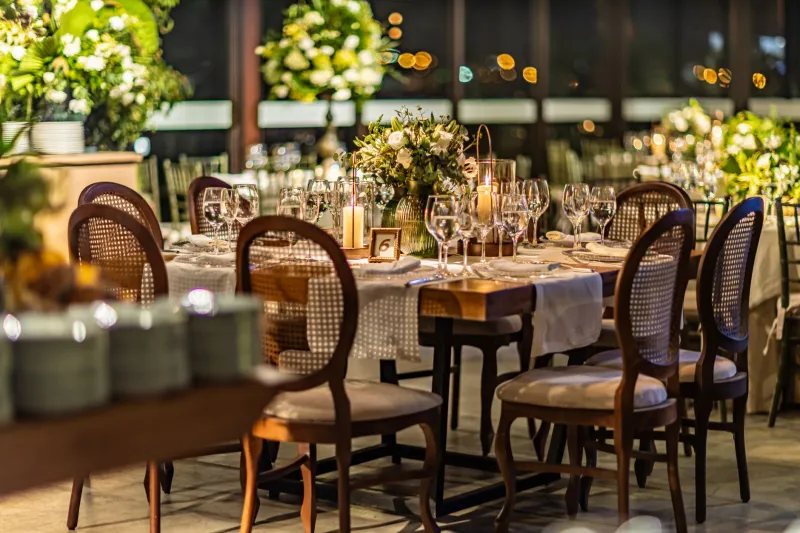
In American business culture, the dinner table has long served as more than a place to eat. It is a stage, a boardroom, and a negotiating chamber rolled into one linen-draped setting. The savviest hosts understand that every detail — the seating arrangement, the guest list, the menu — communicates something to the people in the room. But what about the things that are conspicuously absent?
A single empty chair, positioned with care and referenced with purpose, can be among the most powerful tools a strategic host deploys all evening.
This is not an accident of planning. It is a calculated move — and understanding how and why it works can fundamentally change the way you think about executive hosting.
The Psychology Behind the Empty Seat
Human beings are wired to notice absence. Cognitive psychologists refer to this as the "gap effect" — when something expected is missing, the brain assigns significance to that void. In a social setting, an unfilled chair at an otherwise complete table does not read as a mistake. It reads as a mystery.
Guests notice it. They wonder about it. And when a thoughtful host acknowledges it with a brief, deliberate comment — "We left that seat open for someone we've been hoping to connect with" — the entire dynamic of the dinner shifts. The absent party becomes a subject of conversation, curiosity, and in many cases, collective advocacy.
This is precisely the environment a strategic host wants to create.
Signaling Exclusivity Without Saying a Word
One of the core challenges in high-stakes business networking is communicating value without appearing to pursue it too aggressively. Reaching out directly to a coveted prospect can sometimes register as pressure. But when that prospect hears — through a mutual contact at your dinner — that a seat was literally held open for them, the signal is entirely different.
It says: You are wanted here. Others like you are already at this table. And there is still room — but perhaps not for long.
Exclusivity and urgency, two of the most powerful forces in sales psychology, are communicated simultaneously. The host has not made a cold call. The host has created a conversation that travels on its own.
This technique works particularly well when the empty chair is referenced naturally during the meal — not as a pitch, but as a point of genuine interest. "We were hoping Marcus from Meridian Capital might join us tonight. Do any of you know him well?" That single question can yield an introduction worth more than a dozen follow-up emails.
Choosing the Right Chair to Leave Empty
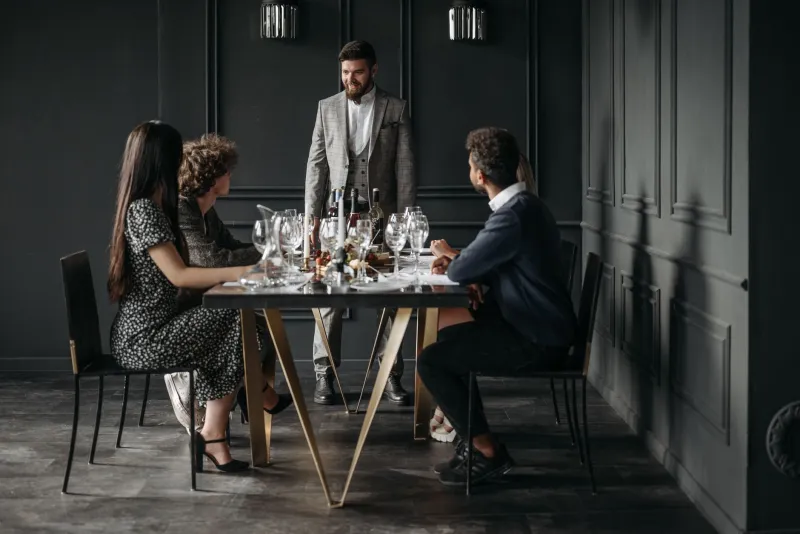
Not every seat at the table carries equal symbolic weight. The placement of the reserved chair matters considerably. Hosts who employ this tactic deliberately position the empty seat at a high-visibility location — typically adjacent to the host or at the center of the table — where its presence will be noted and its absence felt.
Avoid placing the empty chair at the periphery, where it might simply read as a last-minute cancellation. The goal is intentional prominence, not logistical awkwardness.
Beyond placement, the host must be clear internally about who the seat is for. This tactic loses its power when it becomes vague or performative. The empty chair should represent a specific individual or a clearly defined archetype — a particular investor you have been trying to reach, a potential strategic partner in a complementary industry, or a category of leader whose presence would elevate the room.
That clarity of intention shapes how the host speaks about the seat, and that authenticity is what makes the tactic land.
Turning Absence Into Active Recruitment
The empty chair does not merely generate conversation — it generates referrals. When guests understand that the host is seeking a specific type of partner or collaborator, they naturally begin mentally scanning their own networks. The dinner table becomes a collective recruiting effort, with every attendee serving as an informal ambassador.
This is a dynamic that no LinkedIn message or conference badge exchange can replicate. The combination of shared food, relaxed conversation, and a clearly articulated need creates the conditions for genuine advocacy. Guests who respect the host and value their relationship with them will often make introductions before the dessert course arrives.
Some of the most consequential business partnerships in American entrepreneurship have originated not from direct outreach, but from a well-placed word at a well-hosted dinner. The empty chair tactic is a structured way to engineer exactly that kind of moment.
Managing the Optics With Elegance
Of course, execution requires finesse. Done clumsily, the empty chair can read as theatrical or, worse, as evidence that someone declined an invitation. The host must navigate this with the same grace applied to every other element of the evening.
The key is brevity and confidence. A single, unhurried mention early in the evening — delivered with genuine warmth rather than pointed salesmanship — is sufficient to plant the seed. The host need not return to the subject repeatedly. Let the guests carry it forward.
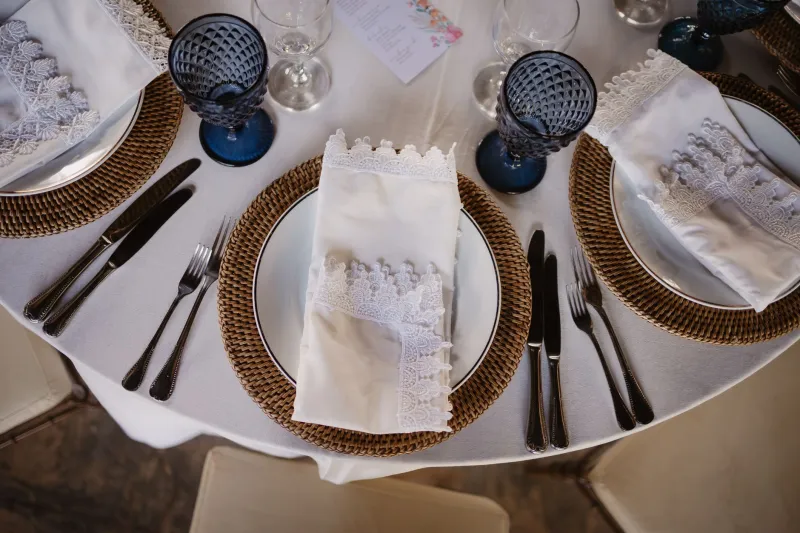
It is also worth considering the physical presentation of the reserved seat. A simple place card that reads "Reserved" or bears the name of the intended guest signals deliberateness without explanation. It invites questions organically, which is precisely the goal.
After the Dinner: Following the Thread
The real work of the empty chair tactic happens in the days that follow. A host who has successfully generated curiosity and referrals during the dinner must be prepared to act on the introductions that emerge. This means following up promptly with anyone who offered to make a connection, referencing the dinner specifically — "It was a wonderful evening, and your name came up as someone we'd genuinely like to meet" — and extending a personal invitation to the next gathering.
The empty chair, in this sense, is not a one-night strategy. It is the opening move in a longer relationship-building sequence. The dinner creates the context; the follow-up creates the deal.
The Broader Lesson for Strategic Hosts
At Business Builders Banquet, we believe that the most powerful networking does not happen by accident. Every detail of a well-hosted business dinner — from the seating chart to the centerpiece to the conversation starter — can be engineered to advance specific professional objectives.
The empty chair is perhaps the most elegant expression of that philosophy. It transforms absence into influence, silence into invitation, and an unfilled seat into the beginning of your most important business relationship yet.
The next time you plan a hosted dinner, consider who is not in the room — and whether leaving a place for them might be the most strategic move you make all evening.